 HD Trailers Team
Why Trailer Prices Vary So Much (And What You’re Really Paying For)
 HD Trailers Team : May 11, 2026
Compare heavy haul trailer pricing, from steel and deck height to axles, warranties, payload, and long-term cost.

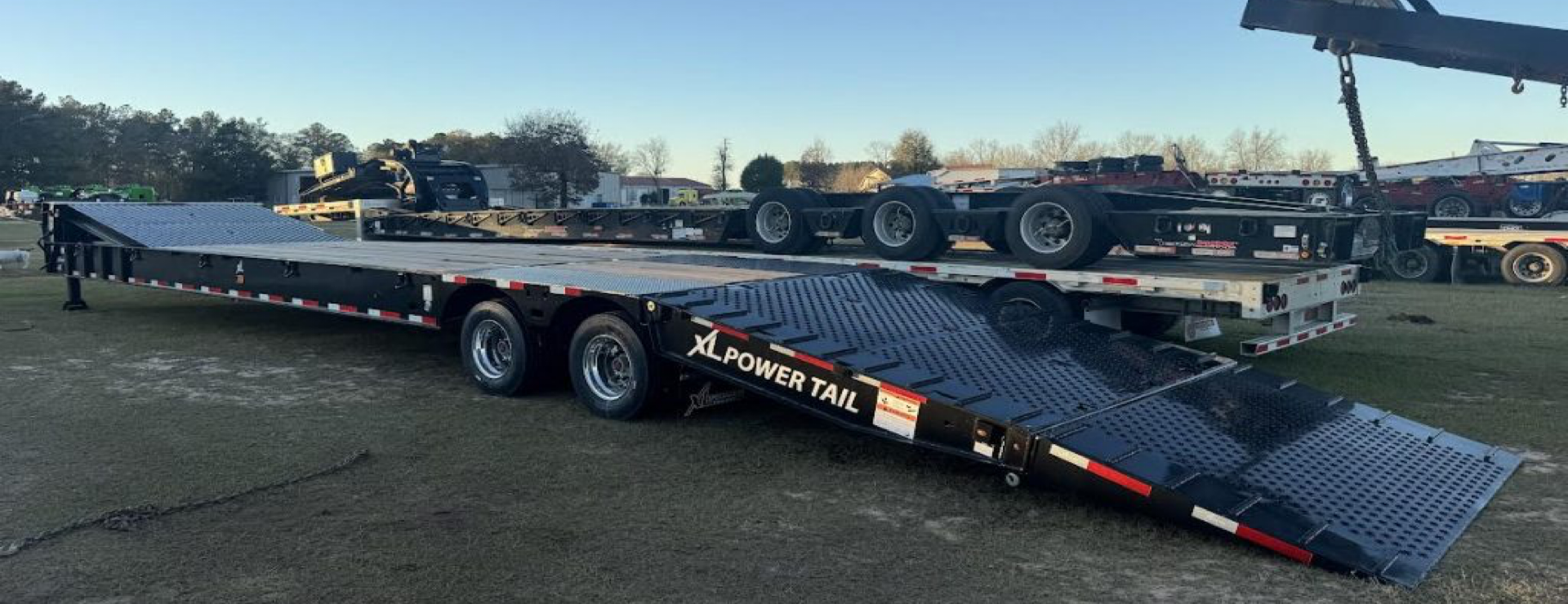
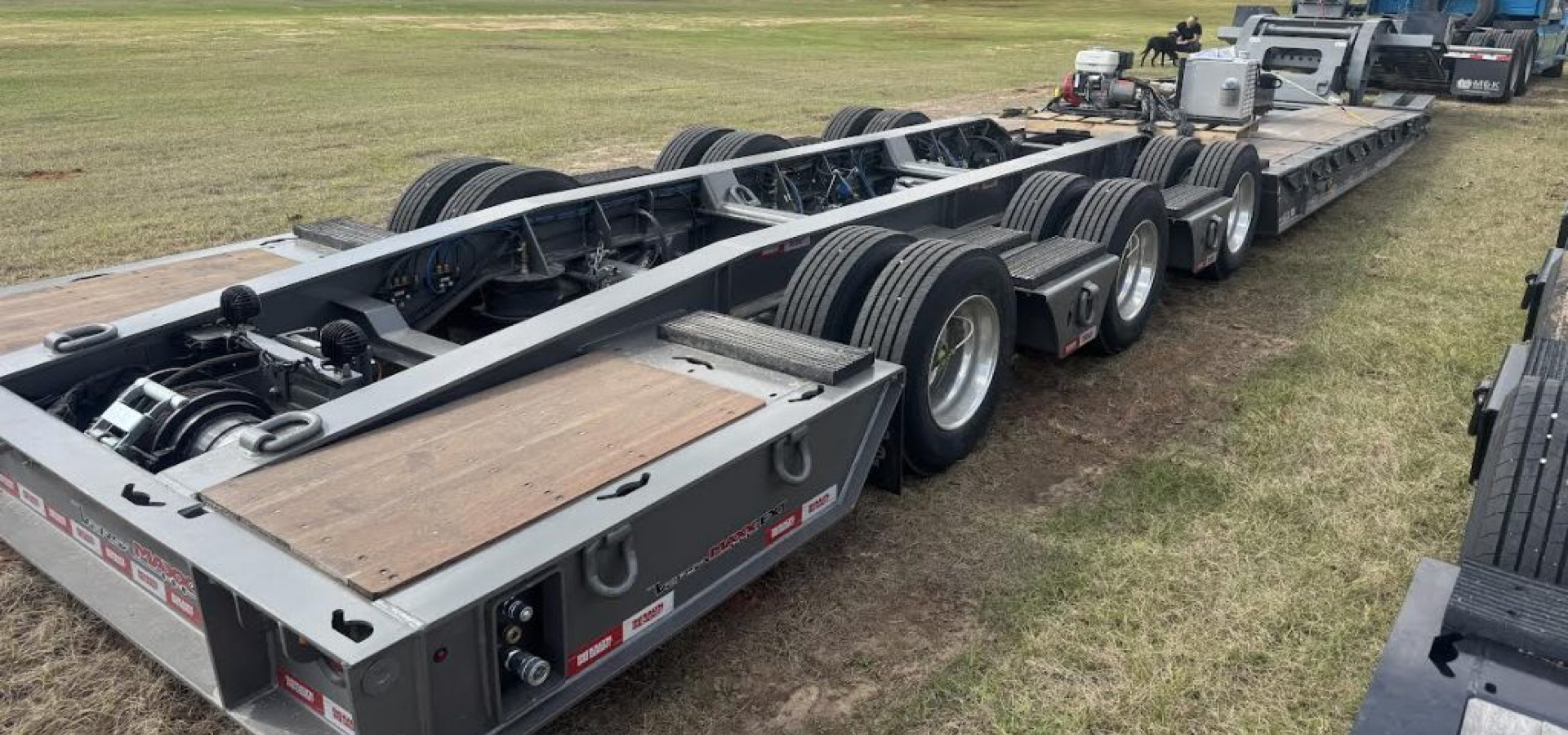
Nobody walks onto a job site and says, "Nice trailer." They say, "Can you haul this?" And the answer to that question - every single time you get asked it - comes down to decisions that were made long before the load was ready to move. Deck height, axle configuration, length, components. Those specs don't just describe your trailer. They define which jobs you're eligible for, which ones you have to turn down, and how much revenue your operation can actually generate.
That's the part of trailer buying that doesn't get talked about enough. Not the steel, not the price tag, but that what you're really purchasing is capacity. Access to work. The ability to say yes when the phone rings.
The conversation shifts. Instead of "what's the cheapest option that gets the job done," it becomes "what configuration keeps me competitive for the widest range of work over the longest period of time."
Instead of comparing sticker prices across manufacturers, you start comparing what each dollar actually buys you in capability, durability, and flexibility.
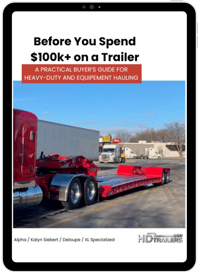 That shift is exactly why we put together Before You Spend $100K+ on a Trailer - a practical buyer's guide for anyone in heavy-duty and equipment hauling who wants to make a confident, informed decision before ever requesting a quote.
But here's a good place to start: the three questions that separate buyers who get this right from the ones who end up calling back six months later wishing they'd done it differently.
"What am I going to need in a year that I don't need today?" Most buyers spec a trailer for the work sitting in front of them right now. The ones who get the most out of their investment think one step ahead. A flip axle you add at purchase is cheaper, faster, and easier than one you scramble to source six months in. A lower deck height costs more upfront but opens doors to loads that a higher deck will never touch.
"What am I actually giving up to save this money?" A $10,000 savings on deck height sounds great until bridge laws start eliminating loads every week. A $30,000 discount from a direct-to-consumer brand sounds even better until you're trying to trade out of a trailer your dealer can't take. Every savings has a tradeoff, and the smart move is knowing what that tradeoff is before you sign.
"Who's going to answer the phone when something goes wrong?" Because something will. Warranty terms, dealer responsiveness, parts availability - these aren't afterthoughts. When your trailer is sitting idle, you're losing money every day. The relationship you're buying into matters as much as the steel.
These three questions are just the starting point. The full guide covers the complete picture so you can walk into any conversation with confidence. Here's what you'll find inside:
[Read Before You Spend $100K+ on a Trailer here.]
 HD Trailers Team : May 11, 2026
Compare heavy haul trailer pricing, from steel and deck height to axles, warranties, payload, and long-term cost.
 HD Trailers Team : May 26, 2026
The right work trailer is not just the one that handles today's load, but the one that keeps your operation eligible for better work tomorrow.
%20-%202026-08-06T132943.843.png) HD Trailers Team : Aug 11, 2026
HD Trailers Team : Aug 11, 2026
The pros and cons of new vs. used heavy-haul trailers to determine the best investment for your business's growth and operational needs.
%20-%202026-08-24T125429.867.png) HD Trailers Team : Jun 23, 2026
HD Trailers Team : Jun 23, 2026
Avoid costly mistakes when buying your first trailer. Learn key insights on pricing, critical components, and making informed decisions for your...