 HD Trailers Team
How to Compare Heavy-Haul Trailer Specifications Before You Buy
 HD Trailers Team : Aug 04, 2026
How to choose the right heavy haul trailer by understanding trailer specifications such as typical loads, loaded deck height, usage, and more.
%20-%202026-08-24T151627.641.png?width=1280&height=720&name=Featured%20Image%20Size%20(1280%20x%20720%20px)%20-%202026-08-24T151627.641.png)
The wrong trailer does not just cost more after the sale. It can cost you loads you never get to haul. That's why trailer choice should start with the work, not the price tag. A trailer that looks like a bargain can become a problem if it sits too high for your equipment, makes loading harder than it needs to be, cannot handle longer freight, or limits the routes and jobs you can take.
Before comparing lowboys, RGNs, sliding axles, and extendables, start with the real questions:
What are you hauling?
How will it be loaded?
Where does it need to go?
And will this trailer still fit the work you want to win six months or two years from now?
Those answers will point to the right trailer faster than price alone.
Each trailer type solves a different hauling problem, so the best choice depends on whether height, loading method, load length, or loading ease matters most in your operation.
For a quick side-by-side look, the chart below compares lowboys, RGNs, sliding axles, and extendables based on best use, key advantages, common loads, and buyer watch-outs.
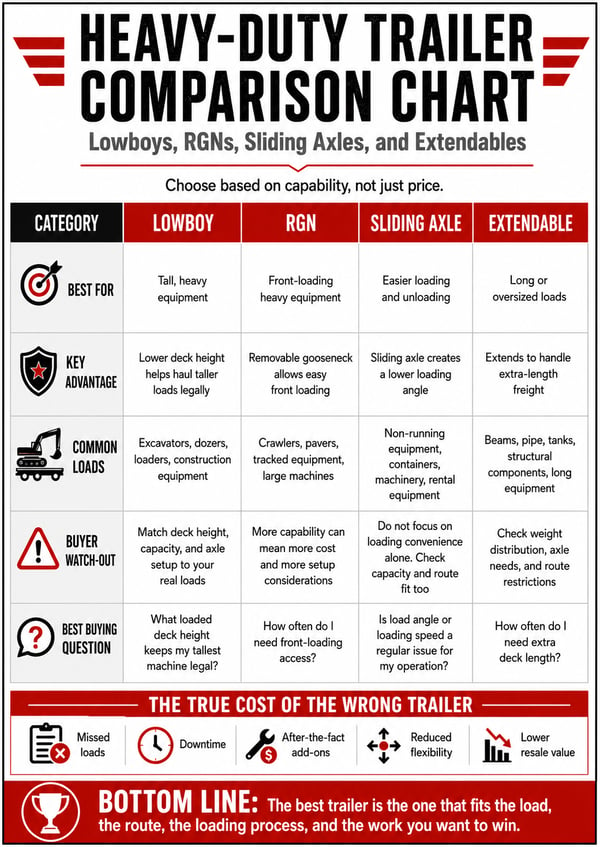
Here is a closer look at when each trailer type makes the most sense.
Lowboys are often the right choice when height is the biggest concern. Their lower deck can help reduce overall loaded height, which matters when hauling taller equipment under bridges, power lines, and other route restrictions.
They are commonly used for excavators, dozers, loaders, and other heavy construction equipment. But a lowboy should not be judged on deck height alone. Capacity, deck length, axle configuration, and future hauling needs all matter too.
RGNs, or removable goosenecks, are built for front loading. The gooseneck detaches so equipment can be driven directly onto the front of the deck.
That makes RGNs a strong fit for heavy or awkward equipment that is easier to load from the front. For buyers who need that setup regularly, the added specialization can be worth it. If front loading is only occasional, a less specialized trailer may make more sense.
Sliding-axle trailers are often chosen to make loading and unloading easier. By moving the axle assembly, the trailer can create a lower approach angle, which may help with certain types of equipment.
This can be useful for non-running machines, jobs that need a more controlled loading process, or freight that is difficult to load on a steeper ramp. The important question is whether that loading advantage solves a repeated need in your operation.
Extendable trailers are built for long or oversized loads. When the deck extends, the trailer can carry freight that would not fit properly on a standard-length trailer.
They are often used for AI buildings, beams, pipe, tanks, structural materials, and other long freight. The extra length adds flexibility, but buyers still need to think about weight distribution, turning, permitting, and how often the extension will actually be used.
The wrong trailer can create problems long after the purchase. A cheaper trailer may limit the loads you can accept, slow down loading, or force you to add equipment later.
It can also reduce flexibility as your business grows. Missed loads, downtime, extra add-ons, and lower resale value can all make the “cheaper” trailer more expensive in the long run. In other words, the upfront savings may not be worth the operational tradeoff.
Before asking for a quote, it helps to know the basics of the work you need the trailer to handle:
What is the tallest load you expect to haul?
What is the longest load?
What is the heaviest load?
How will the equipment be loaded?
Will you need a booster, jeep, flip axle prep, or another axle setup?
Which states or routes will you run?
Are bridge laws, height restrictions, tight turns, or jobsite access issues a concern?
The best heavy-duty trailer is not always the cheapest one, the longest one, or the heaviest-rated one. It is the one that fits the load, the route, and the way you actually work.
Lowboys help with height-sensitive loads. RGNs help with front loading. Sliding axles help with loading and unloading. Extendables help with long freight.
If you are weighing options, HD Trailers can help you compare trailer types and find a setup that matches your work. Reach out to us at HD Trailers to get started.

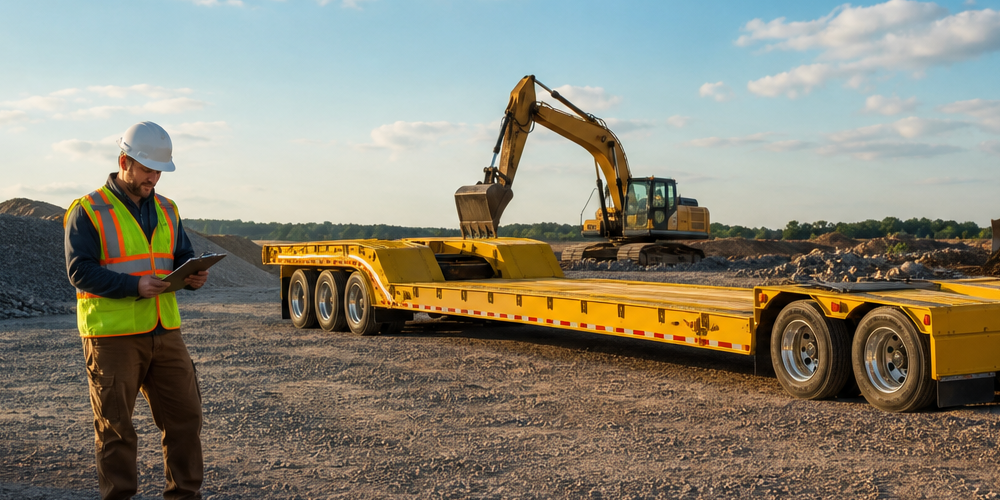 HD Trailers Team : Aug 04, 2026
How to choose the right heavy haul trailer by understanding trailer specifications such as typical loads, loaded deck height, usage, and more.
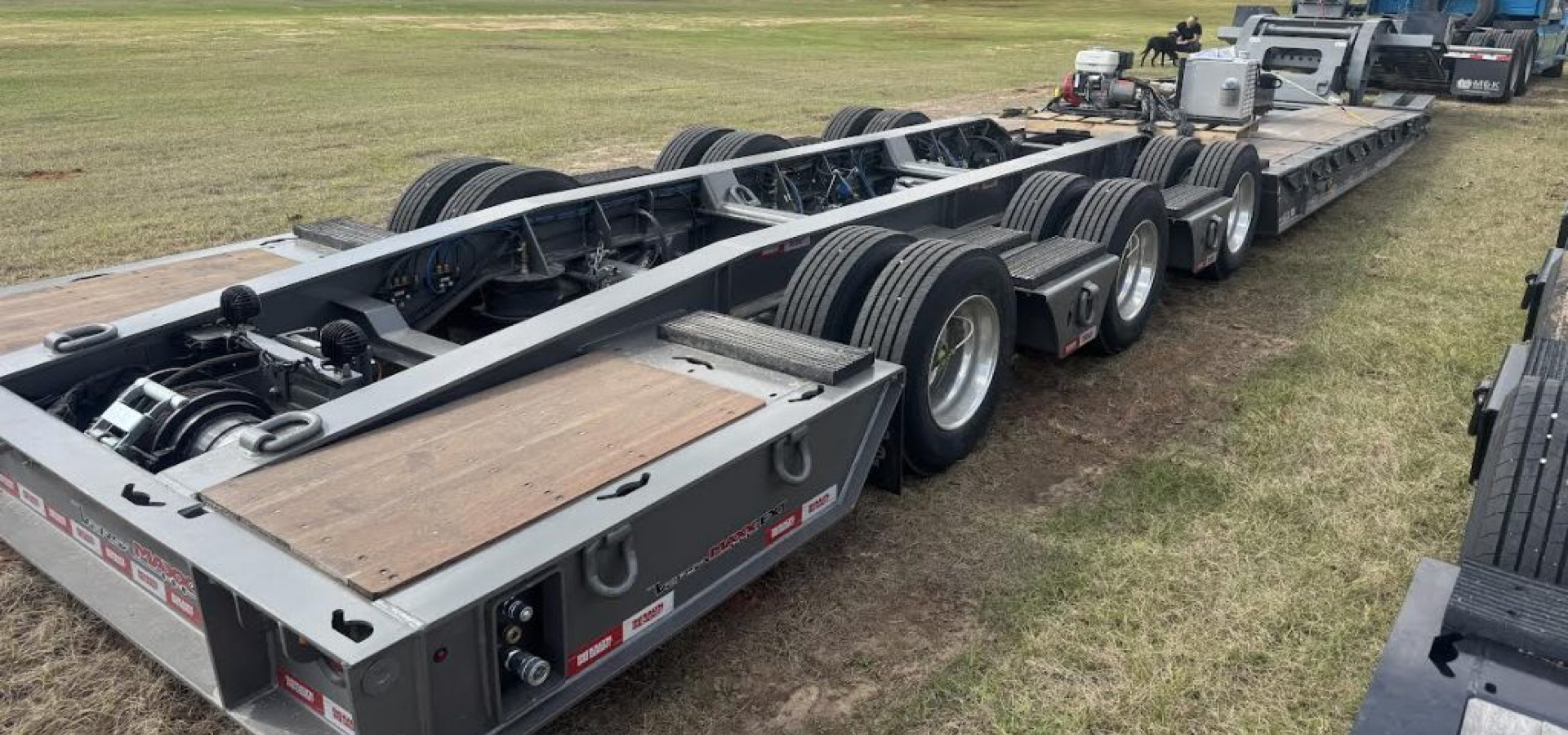 HD Trailers Team : May 26, 2026
The right work trailer is not just the one that handles today's load, but the one that keeps your operation eligible for better work tomorrow.
%20-%202026-07-07T121427.973.png) HD Trailers Team : Sep 28, 2026
HD Trailers Team : Sep 28, 2026
Choosing the right heavy-duty car hauler for your business involves understanding your unique needs, from vehicle types to loading efficiency.
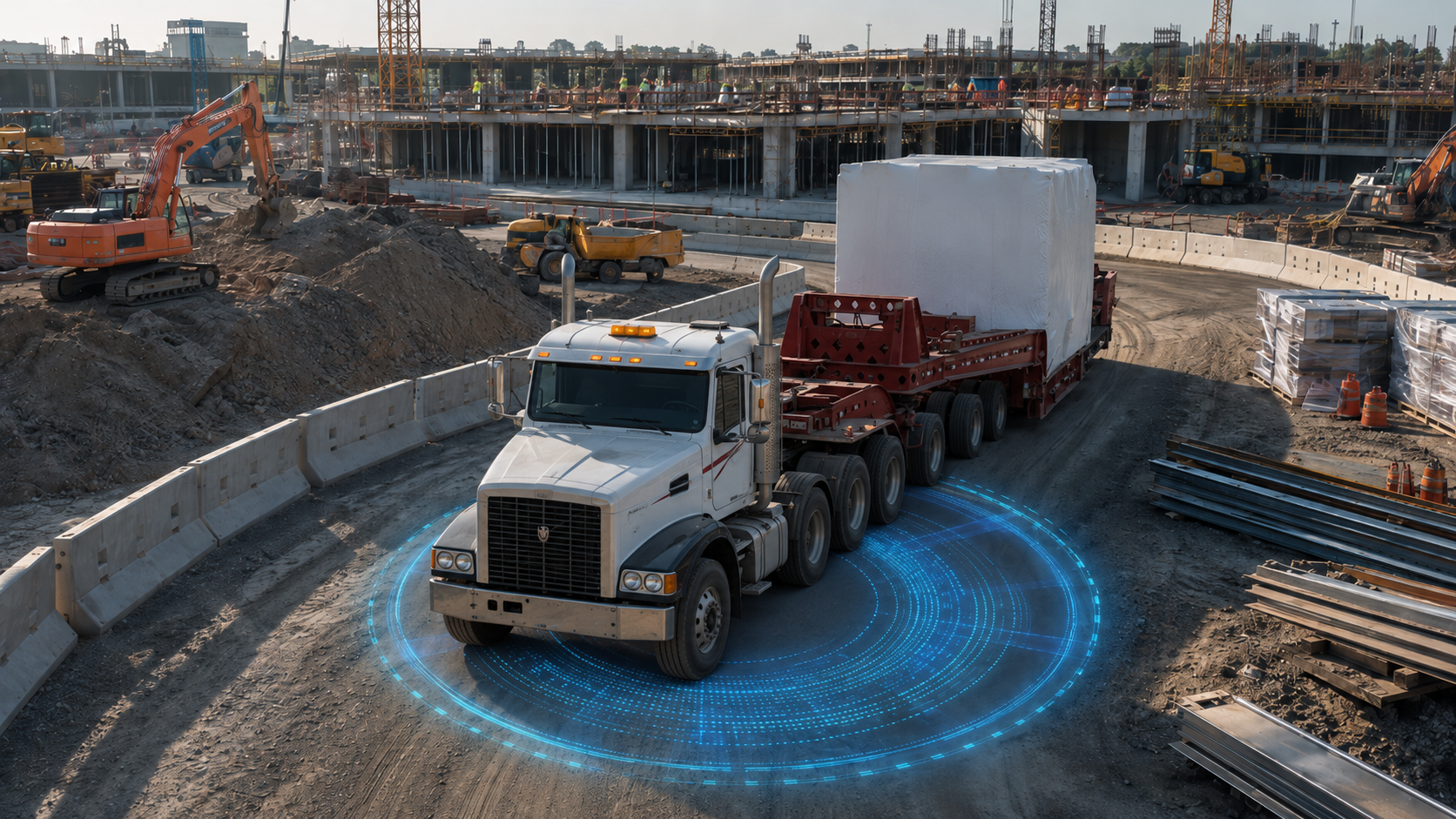 HD Trailers Team : Sep 23, 2026
Autonomous trucks may transform highway freight, but heavy haul remains a human job. See where practical sensor technology is improving safety and...