 HD Trailers Team
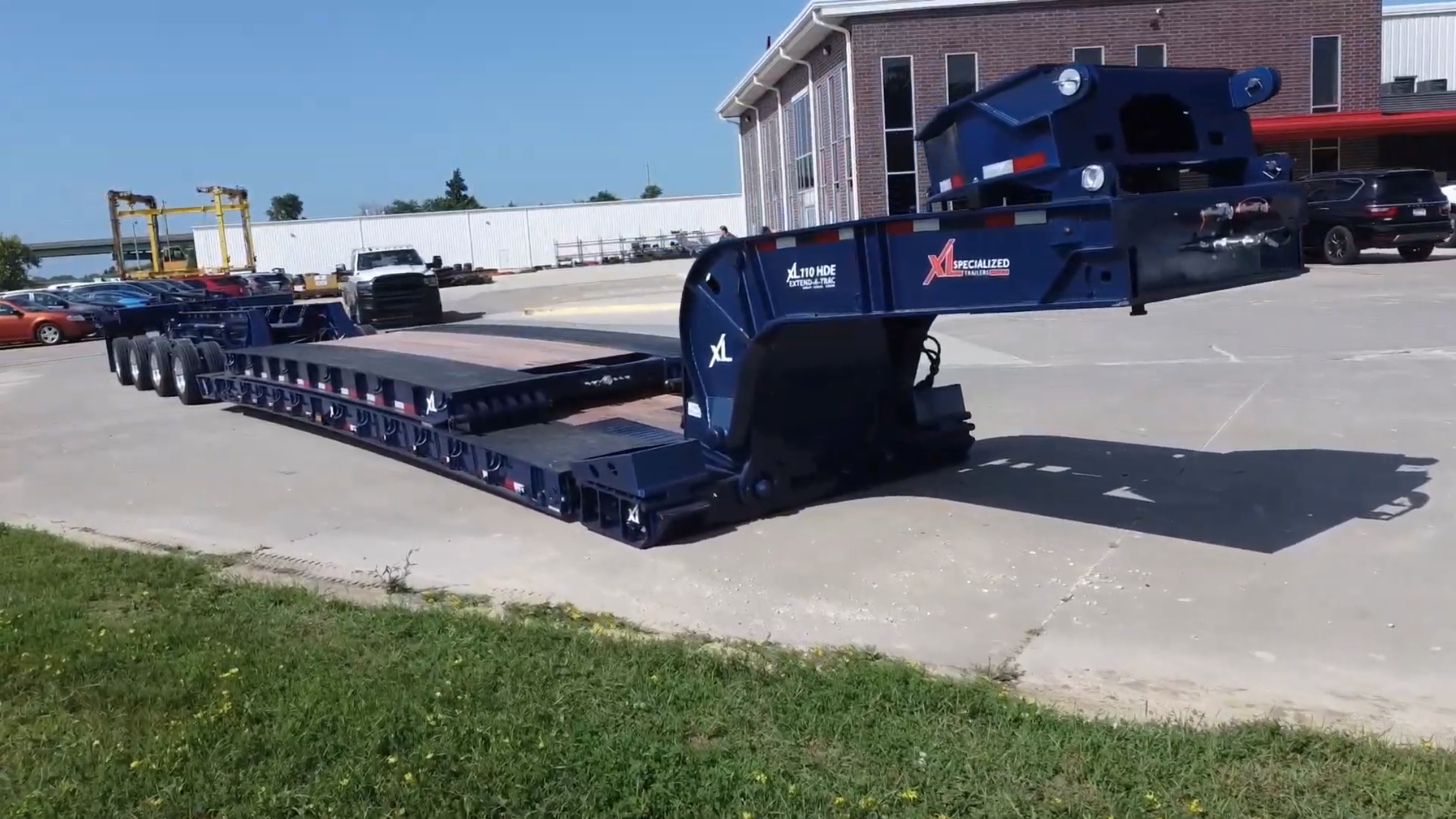
Axle count and configuration change what a trailer can access, not just what it can carry, and that distinction is where most buyers either get it right or waste a lot of money finding out the hard way. Axle count is usually the first spec buyers look at, and the last one they think thoroughly through.
Capacity is The Easy Question
Ask most buyers why they chose a tandem over a tri-axle (aka tridem), or a tri-axle over a larger multi-axle setup, and the answer is almost always the same: it's what the load weighed. That's not wrong, it's just incomplete.
Weight is the starting point for axle configuration, not the whole decision. Tandem setups generally handle lighter loads well.
As loads get heavier, spreading that weight across more axles, tridem or a larger multi-axle configuration, becomes less about raw capacity and more about keeping the load legal, stable, and safe to move at all. Treating axle count purely as a capacity checkbox is how buyers end up with equipment that technically works today and stops being what they need to win the jobs they'll be bidding on next.
Where Are Loads Headed?
The more useful question isn't "what does this load weigh right now?" It's "what will loads like this weigh, or measure, a year or two from now?" Freight has a way of trending in one direction.
If the bulk of your jobs are shifting toward heavier, bigger, or more irregular loads, and for a lot of specialized carriers right now it is, a configuration sized for today's average load is a configuration you'll be replacing sooner than planned.
Buyers who think through that trajectory before they buy tend to spec up rather than spec exact, choosing a tandem, tri-axle, or larger multi-axle setup with some room to grow into rather than a perfect match for the load sitting in front of them right now.
That forward-looking approach matters more given where specialized freight demand is heading. Data center construction alone is running at roughly $41 billion a year and climbing, and brokers are already reporting more oversized loads headed to remote, hard-to-access build sites than they've seen in years.
That's not the only driver of specialized demand, and it won't be the last one either. The point isn't to chase one trend. It's to recognize that the freight profile most carriers are running today probably isn't the freight profile they'll be running in three years.
Axle Count Decides More Than Weight Limits
This is where axle configuration connects directly to a job-access problem worth naming on its own. Weight is only one variable. Axle configuration also determines turning radius, how a trailer maneuvers into tight or congested sites, and whether a load can legally distribute weight across bridges and roadways on a given route.
A trailer that can technically carry a load on paper can still be the wrong choice if its configuration can't get that load where it needs to go. Buyers who spec for weight alone and skip the route and access conversation are the ones most likely to find out, mid-quote or mid-bid, that the equipment they priced doesn't actually fit the job.
That's the mistake worth watching for when you're getting quotes: a quote built around "what can this trailer carry" without ever asking "can this trailer run this route, into this site, more than once." Those are two different questions, and they don't always have the same answer.
The Spec That Protects You
Axle count isn't a math problem. It's a forecasting problem wearing a math problem's clothes.
The buyers who get the most out of their equipment aren't the ones who calculated capacity most precisely. They're the ones who asked where their freight is headed, how their routes are changing, and what access they'll need next year, not just this one.
Want the fuller picture?
This post only scratches the surface of how specialized equipment is reshaping what fleets can bid on and win. If you want the deeper breakdown, including what's driving demand for specialized capacity, how to evaluate whether your fleet is positioned for it, and what to ask before you invest, check out our new guide: When Does a Steerable Axle Trailer Make Sense?
