 HD Trailers Team
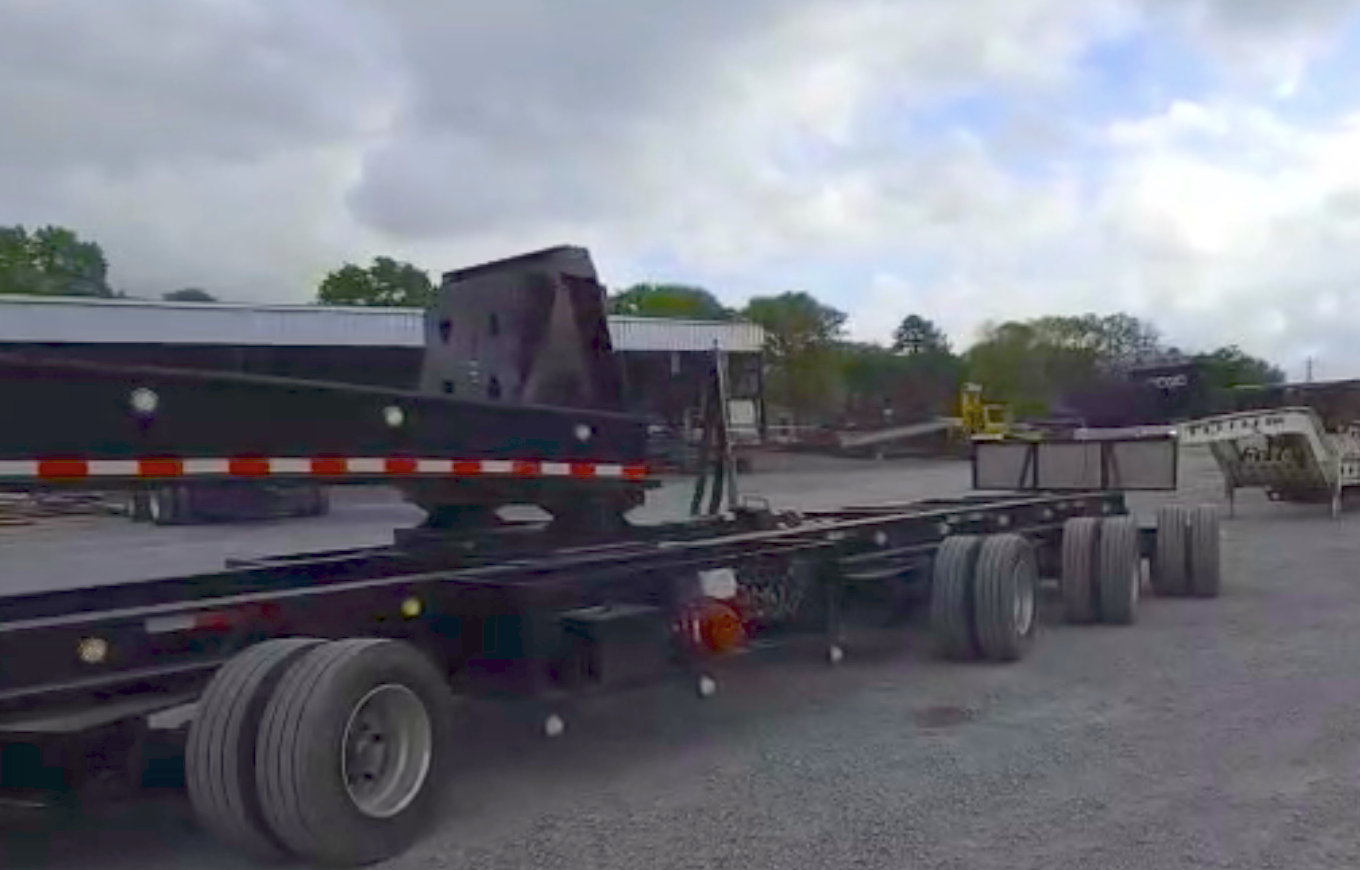
A steerable axle runs roughly $25,000 per axle. It's a significant upfront cost, and the one most buyers fixate on first. But sticker price on its own doesn't tell you whether the investment makes sense. It just tells you what you're writing a check for.
The Wrong Way to Think About Axle Cost
The instinct with any equipment purchase is to look for a payback calculation: how many months until it pays for itself in fuel savings, tire life, or resale value. We're not going to hand you that math here, because for steerable axles specifically, that math doesn't hold up well enough to trust.
What does hold up is a simpler standard, one that shows up consistently in how experienced buyers talk about equipment decisions: choose the trailer for the work, not the price tag. The $25,000 isn't the real question. The real question is what that $25,000 lets you do that you couldn't do before, and what it costs you to keep not doing it.
What to Measure
There are four things worth putting real numbers to before you decide, and none of them are the axle itself.
-
Job access.
Start with the loads you've turned down or lost to a competitor who had different equipment. If those losses are occasional, the math is different than if they're becoming routine. A steerable axle isn't an upgrade if it doesn't open up work you're being asked to bid on.
-
Manufacturer and site requirements.
More shippers and manufacturers are specifying axle configuration and maneuverability requirements up front. If you're seeing more of those requirements land in your inbox, that's not a hypothetical. That's demand telling you what it needs.
-
Difficult routes.
Tight job sites, congested regional corridors, and multi-turn delivery points don't just slow a standard trailer down, they can rule it out of a route entirely. If a meaningful share of your target freight runs through routes like that, a steerable axle is solving an access problem, not a convenience problem.
-
Future load opportunity.
This is the one buyers skip most often because it's harder to quantify. If the freight you're pursuing is trending toward heavier, bigger, or more irregular loads, and for a lot of specialized carriers right now it is, the question isn't just what you can bid on today. It's what you'll be locked out of in two years if you don't invest now.
None of these show up as a clean number on a spreadsheet the way "months to payback" does. That's the point. They're the actual variables, and guessing at a savings figure to make the math feel more concrete doesn't make the decision more accurate. It just makes it feel more comfortable.
The Cost Most Trailer Buyers Forget to Factor
There's one more variable worth measuring before you invest, and it has nothing to do with the trailer itself: who's operating that axle, and what that means for compliance. Under FMCSA guidance, a person physically located on the trailer controlling a steerable rear axle at highway speed is classified as a driver and needs a commercial driver's license.
Someone controlling that same axle from outside the vehicle, walking alongside it or riding in an escort car at low speeds, does not trigger that same requirement. That distinction affects staffing, training, and labor cost depending on how your equipment and operation are configured, and it's a concrete number you can actually plan around instead of guessing.
Measure the Job, Not the Sticker Price
$25,000 per axle is a real cost, and you should go in with your eyes open about it. But the buyers who make this investment work aren't the ones who found a clever payback formula. They're the ones who looked honestly at how much work they're already turning away, how their freight is trending, and what it takes to run that equipment compliantly, then decided whether closing that gap was worth the number on the invoice.
Before You Spec Your Next Trailer
 This post only scratches the surface of how specialized equipment is reshaping what fleets can bid on and win. If you're weighing whether a steerable axle makes sense for your operation, our new guide, When Does a Steerable Axle Trailer Make Sense?, walks through what's driving demand for specialized capacity, how to tell if your fleet is already behind on it, and what to ask before you invest. Read it before you spec your next trailer, not after.
