 HD Trailers Team
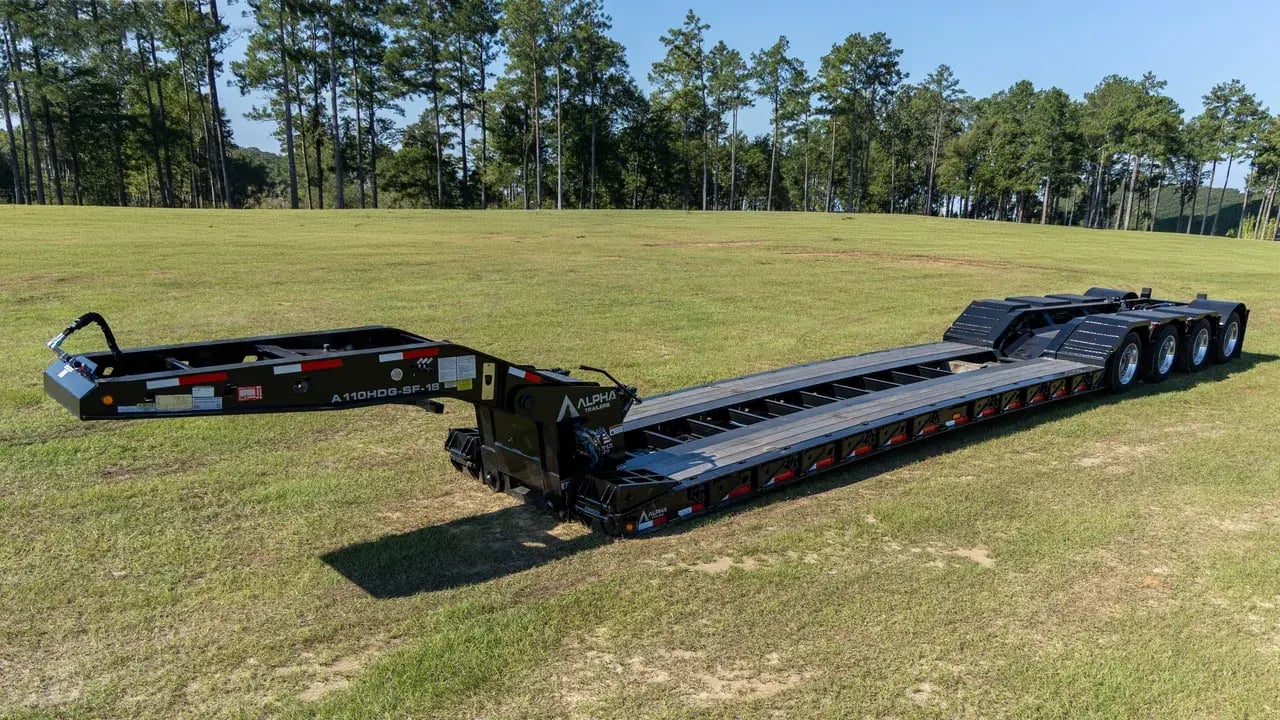
The most common industries that use heavy haul trailers are construction, oil and gas, agriculture, towing and recovery, and energy and data center infrastructure. Each one moves loads that a standard trailer can't legally or safely carry, from excavators and dozers to transformers and wrecked tractors. The right trailer depends on the load, not the industry label.
That last point is where a lot of buyers get tripped up. We talk with contractors, owner-operators, and fleet managers every day, and the same misconceptions keep coming up about which sectors need what equipment. Below are five common myths, what the facts actually say, and how to use that information before you spec, buy, or trade a trailer.
If you're newer to the equipment side, our breakdown of what a heavy haul trailer is and how it differs from standard trailers is a good primer.
Myth: Industries That Use Heavy Haul Trailers Are Mostly Oil and Gas
Oil and gas gets a lot of attention because the loads are big and the sites are remote. Rig components, compressors, pump units, and production equipment all move on heavy haul trailers. But oil and gas is one sector among several, and in many regions it isn't the busiest one.
Here's a general look at how loads and trailer types tend to line up across industries:
| Industry | Typical Loads | Common Trailer Types |
|---|---|---|
| Construction | Excavators, dozers, loaders, cranes, pavers | RGN/HDG, MRG, Lowboy, Step Deck |
| Oil and Gas | Rig components, compressors, pump units | Multi-Axle, Lowboy, Extendable |
| Agriculture | Large tractors, combines, sprayers | RGN/HDG, Extendable, Step Deck |
| Towing and Recovery | Wrecked tractors, buses, disabled equipment | Bus Trailer, Power Tail, RGN/HDG |
| Data Center and Energy | Transformers, generators, switchgear, wind components | Multi-Axle, Jeep Dolly, Spreader Bar, Extendable |
The takeaway: if you only market your hauling services to one sector, you may be leaving work on the table. Many of the same trailers cross over between industries with the right accessories and axle setup.
Myth: One Lowboy Can Handle Every Industry
A good lowboy is versatile, and a 50 to 55 ton hydraulic detachable gooseneck (RGN/HDG) is a workhorse for a reason. Front loading, low deck height, and enough capacity for a wide range of construction equipment make it a common first trailer for many operations.
But no single trailer covers every load. A few examples:
-
Long loads like wind blades, bridge beams, or pipe often call for extendable trailers, specialized blade-hauling equipment, or appropriately configured flatbeds.
-
Very heavy, concentrated loads like transformers need more axles, sometimes with a jeep dolly, flip axle, or spreader bar, to spread weight and stay within legal axle limits.
-
Rolling stock like buses and wrecked tractors often loads better on a bus trailer or a traveling tail design.
-
Frequent short moves of lighter construction equipment may make more sense on a mini deck or step deck.
Weight distribution can be just as important as raw deck capacity, especially when axle limits and permitting come into play. Federal rules set hard numbers on what each axle group can carry.
On the federal Interstate System, general weight limits are 20,000 pounds for a single axle, 34,000 pounds for tandem axles, and 80,000 pounds gross vehicle weight. The Federal Bridge Formula, axle spacing, and applicable permits can further affect how much weight a combination can legally carry, according to 23 CFR 658.17 on the eCFR.
That's why axle count and spacing matter so much once you move past 25 ton work. Our guide on axle configuration for heavy haul buyers goes deeper on how that affects permitting and payload.
Myth: Ag Equipment Is Light Enough for Standard Trailers
Agriculture is often lumped in with light-duty hauling, and that's a mistake. Large tractors, combines, and self-propelled sprayers are heavy, tall, and wide. Many of them push past standard width limits even with headers or booms removed.
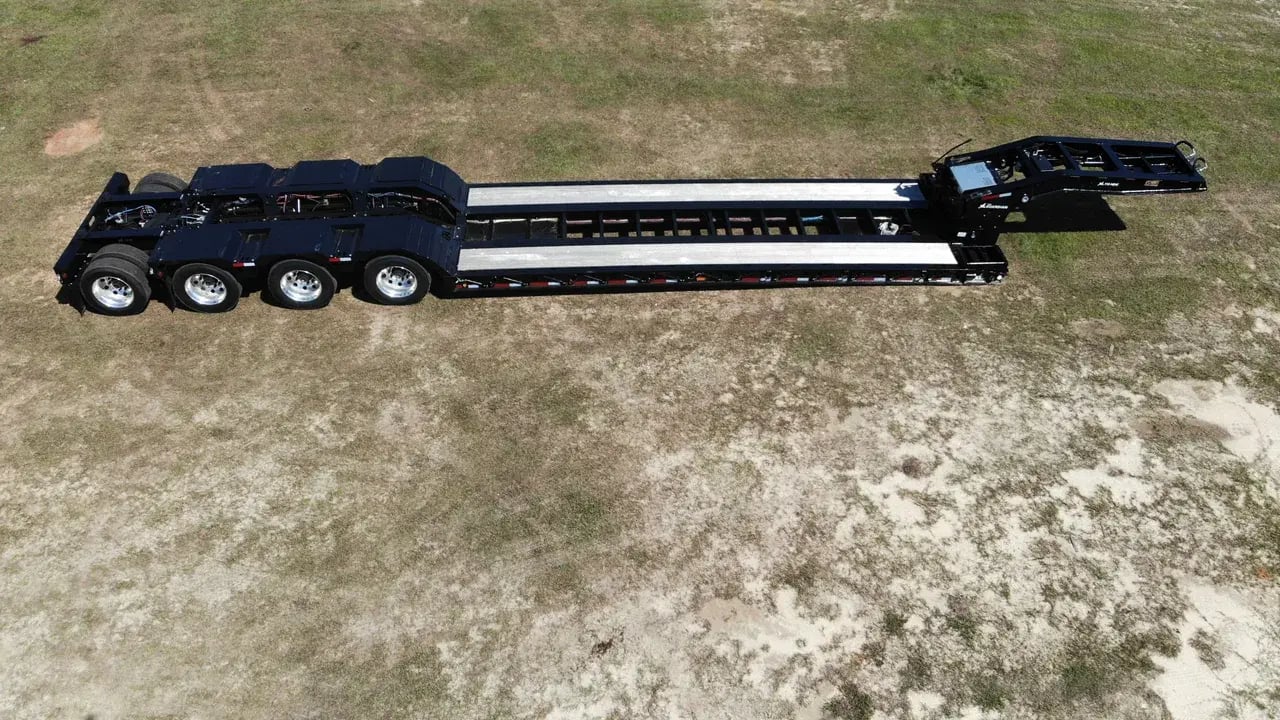
That puts ag hauling squarely in heavy haul territory. Dealers, custom harvesters, and equipment movers who serve farm operations regularly run RGNs and extendables because they need:
-
A low loaded deck height to keep tall cabs under height limits
-
Front loading for equipment that's awkward to back on
-
Enough deck length for combines and large tractors with duals
Seasonality matters too. Ag demand spikes around planting and harvest, so some operators pair ag work with construction work the rest of the year. The same RGN often handles both.
Myth: Towing and Recovery Doesn't Need Specialized Trailers
Heavy recovery operators know better, but it's still a common assumption from the outside. A heavy wrecker can handle a lot, yet some recoveries call for a trailer, especially when a truck, bus, or piece of equipment can't roll or can't be safely towed.
Trailers that show up in towing and recovery fleets include:
-
Bus trailers built for long wheelbase vehicles
-
Power tail and traveling tail designs that make loading disabled rolling stock easier
-
RGN/HDG lowboys for wrecked tractors, construction equipment, and other heavy units
For recovery outfits, the decision often comes down to how quickly a trailer can be loaded on scene and how low the deck sits once it's loaded. Those details matter more than headline capacity on a lot of calls.
Myth: Data Center and Energy Loads Are Just Bigger Construction Loads
Data center equipment hauling looks similar to construction on paper. In practice it's a different job. Transformers, generators, and switchgear are dense, high value, and often sensitive to shock and tilt. The load may not be the biggest thing you haul, but it may be the heaviest per square foot.
That changes how you spec the trailer:
-
More axles, better spacing. Multi-axle trailers, jeep dollies, and flip axles help distribute concentrated weight.
-
Spreader bars can increase spacing between axle groups for permit compliance.
-
Low deck height and well length matter for tall transformers and generator sets.
-
Securement becomes a bigger deal. The FMCSA's cargo securement rules set the baseline, and shippers of high-value electrical equipment may add their own requirements.
Wind energy and aerospace work share some of this DNA. Long blades, tower sections, and oversized components often need extendables or specialized multi-axle setups and careful route planning.
Myth: Entering a New Industry Means You Need a Custom Build
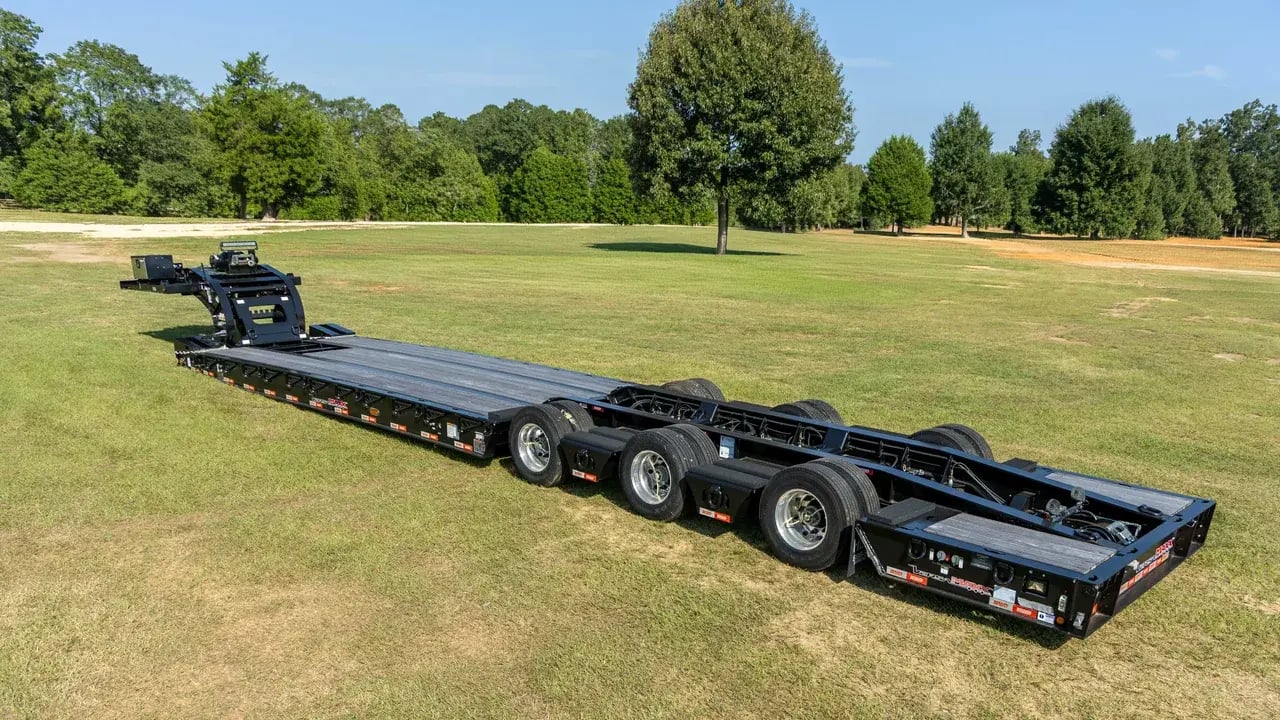
Moving into a new sector doesn't automatically mean ordering a custom trailer. Many stock configurations from manufacturers like Alpha HD, Kalyn Siebert, XL Specialized, Fontaine, Trail King, and Talbert already cover a wide range of applications. Adding accessories like deck inserts, flip neck extensions, or a jeep dolly can stretch a stock trailer into new work.
Custom builds make sense when your loads are consistently unusual, your routes have specific permit constraints, or you need a capability no stock model offers. For everyone else, stock often gets you working sooner. Our article on choosing between a stock trailer and a custom build walks through the tradeoffs.
Common Questions About Industries That Use Heavy Haul Trailers
What industries use heavy haul trailers the most?
Construction is one of the most common, followed by oil and gas, agriculture, towing and recovery, and energy infrastructure, including data centers and wind. The mix varies by region. A fleet in farm country will see different demand than one near a major data center buildout.
Which trailers are commonly used in the mining industry?
Mining operations move large haul trucks, dozers, loaders, and excavators, so they lean on high-capacity RGN/HDG lowboys and multi-axle trailers. Very heavy mining equipment may require additional axles, jeep dollies, or partial disassembly to stay within permit limits.
Can one trailer serve multiple industries?
Yes, often. A 50 to 55 ton RGN can move construction, ag, and some recovery loads. Adding axles, extensions, or inserts expands what it can handle. Specialized loads like transformers or long blades usually still need a purpose-matched setup.
What Actually Helps
Knowing which sectors use heavy haul equipment is useful. Knowing your own loads is what really drives a good buying decision. Here's what we see work for contractors, owner-operators, and fleets:
-
Start with the load profile. Weight, dimensions, and how the equipment loads (drive on, crane, winch) narrow the field fast.
-
Plan for axle limits early. Capacity in tons means little if you can't spread the weight legally on your routes.
-
Think about crossover work. A trailer that serves two or three industries keeps your equipment working through seasonal slowdowns.
-
Keep maintenance on a schedule. Tracking tires, brakes, hydraulics, and suspension wear helps reduce downtime between jobs.
-
Compare new and used. A well-maintained used trailer can be a smart way to test a new market before committing to a new build.
When you're ready to compare options, you can browse new and used heavy haul trailer inventory across our nationwide marketplace, from RGNs and lowboys to multi-axle, extendable, and bus trailers. Our team can also help with trade-ins, financing, and spec questions so you can buy with no guesswork and no pressure.
Ready to Find the Right Trailer for Your Operation?
Whether you're buying, selling, trading, or exploring financing options, HD Trailers is here to help you find the right heavy-haul equipment for your business. Our team works with operators nationwide to deliver solutions that keep your business moving. Contact HD Trailers Today or call 888-380-2509 to speak with our team.