 HD Trailers Team
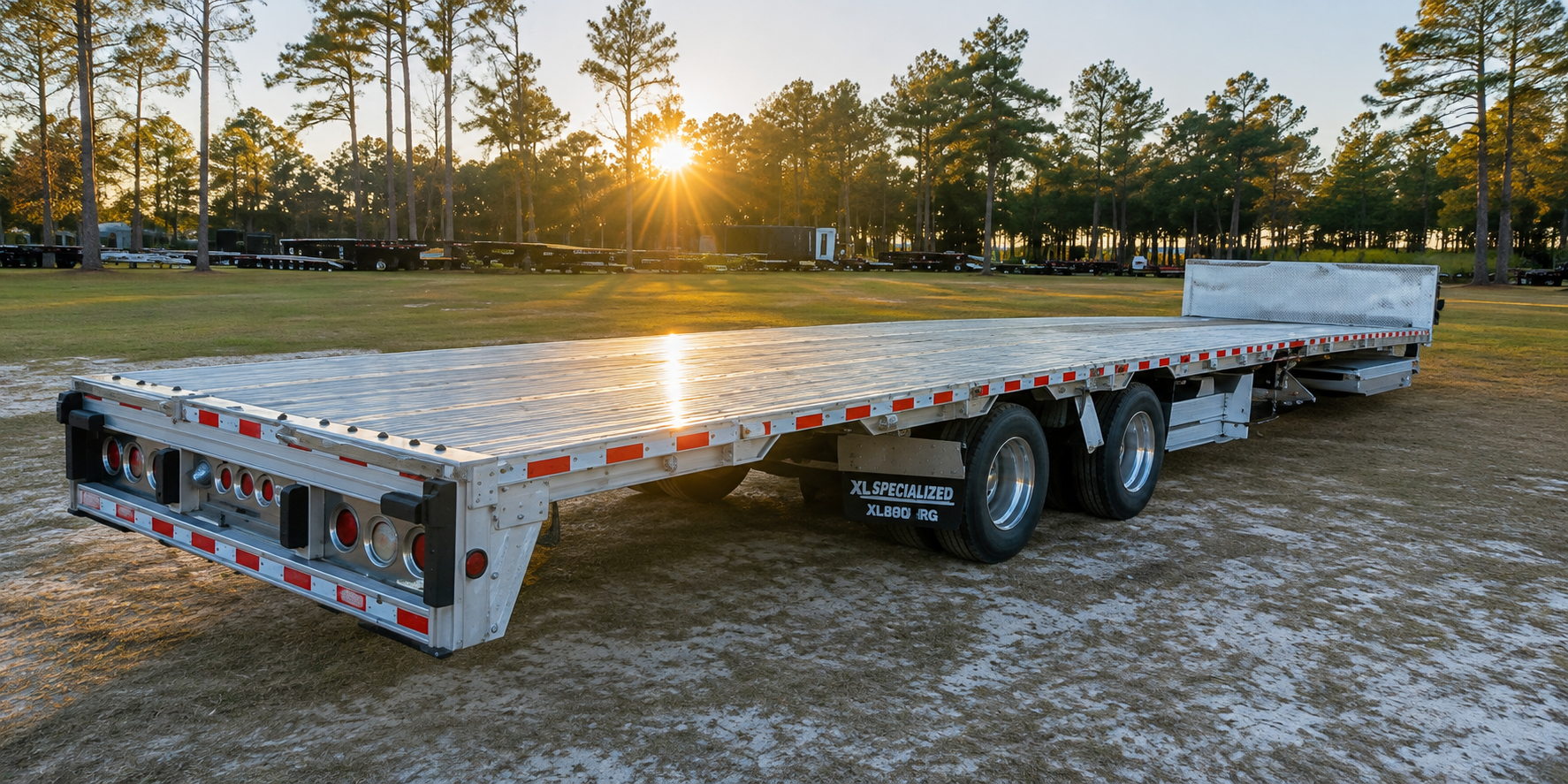
Replacing a heavy-haul trailer often creates two decisions at once: what to buy next and what to do with the equipment you already own. For some operators, selling a trailer privately may seem like the best way to get the highest possible price. For others, trading it in can simplify the move into the next unit and keep their attention on hauling freight rather than managing another sale.
The difficult part is comparing those options fairly. A trailer may be advertised online for $95,000 while a dealer offers $75,000 on trade. That $20,000 gap can make private sale look like the obvious answer, but the asking price is only one part of the calculation.
We talked with our own Rob DiCarlo (HD Trailers President) about what heavy-haul operators should consider before deciding whether to trade in a trailer or take on a private sale themselves.
Retail vs. Trade-In Value on Heavy Duty Trailers
Typically, the biggest sticking point in a trade-in conversation is the value of the trailer.
A seller can look at comparable trailers advertised online to understand the retail market. But an asking price is not necessarily the final sale price. And reaching the final price still means finding a qualified buyer, answering questions, negotiating and completing the transaction.
A dealer taking a trailer on trade is looking at a different equation. The dealer still has to transport it, inspect it, prepare it for resale, market it and eventually find another buyer. There may also be items that need to be repaired or replaced before the trailer is ready to sell.
Rob explains:
“You may be able to sell a trailer privately for more than you would receive in trade, but that doesn't always make it the better deal. You have to decide whether that difference is worth the time, work, and uncertainty required to get there. A trade gives you a clear number that lets you move on and stay focused on your business.”
Don't Forget What Happens After the Dealer Takes It
Even a trailer that appears to be in excellent condition often requires investment to get it ready for the next owner.
Rob offered this example:
"A trailer can be presented as being in excellent condition, but we still uncover things once it arrives. Six replacement tires alone can run about $4,000".
Then there is transportation. The trailer has to get to the dealer, be inspected and prepared, and potentially sit in inventory while the dealer waits for the next buyer.
Those costs help explain why comparing an online retail listing directly with a trade offer doesn't tell the whole story.
What Is Your Time Worth?
Selling privately can potentially bring a higher price. But as Rob already mentioned, that price comes with a cost of its own: your time.
A private sale means someone has to:
- Advertise the trailer
- Respond to inquiries
- Send photos and specifications
- Answer questions
- Arrange showings
- Negotiate the deal
- Complete the transaction
For an owner-operator or someone running a fleet, that is time taken away from hauling freight, managing drivers and running the business.
Rob framed the decision this way:
“If you own a heavy-haul company, how much time do you want to spend fielding calls and showing a piece of equipment because you might get another $8,000 or $10,000? You have your own business to run. At some point, you have to decide what your time is worth.”
The comparison should include more than the difference between retail and wholesale numbers. Owners also need to consider what it takes to capture that additional money themselves.
How to Compare Your Options
Consider a private sale if:
- Net proceeds would be substantially higher than the trade offer
- You have time for calls, showings, negotiations and paperwork
- You already have a likely buyer or way to reach one
- You can wait for the right buyer
Consider a trade if:
- You want a simple, single transaction
- Your time is better spent hauling and running the fleet
- You'd rather skip transportation, inspections and showings
- You want a straightforward move to your next trailer
The real comparison isn't asking price vs. trade offer. It's private-sale proceeds after the time, cost and effort it takes to get there.
There Is Value in Being Done With It
None of this means trading is the automatic right answer. When you have the time, a ready buyer, and enough money at stake, selling privately can be the better call. But getting the highest possible sale price and getting the best overall outcome are not always the same thing.
Trading the trailer puts much of the process in someone else's hands. You agree on the value, turn over the equipment and move forward with the next trailer instead of running a separate sales process alongside your heavy-haul business. That simplicity can have real value, especially when your time and equipment need to stay focused on the work that generates revenue.
Considering whether to trade in your trailer or sell it yourself? Contact HD Trailers to discuss your equipment, trade-in options, and the practical factors that can affect the decision.
