What Does HD Trailers Do? Heavy Haul Trailer Solutions Explained
HD Trailers goes beyond being a dealer to provide tailored heavy haul trailer solutions, financing options, and expert guidance for your business...
3 min read
HD Trailers Team
:
Published
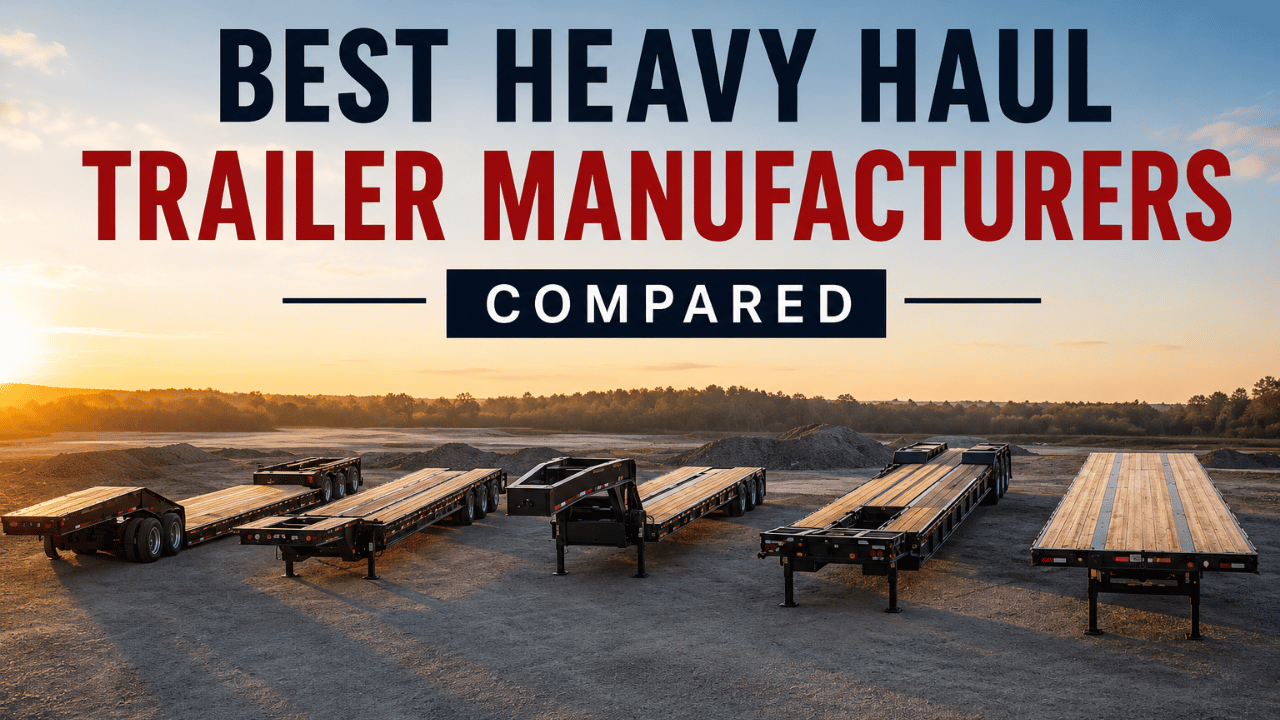
Choosing a heavy haul trailer often starts with one question: Which manufacturer is the best?
The better question is: Which manufacturer builds the trailer that's best suited for your operation?
A contractor hauling excavators between local job sites has very different priorities than a transportation company moving oversized industrial equipment across multiple states. Capacity matters, but so do deck height, axle configuration, weight distribution, serviceability, and the ability to match a trailer to the work it will perform every day.
The manufacturers below have all earned strong reputations in the heavy haul industry, but each brings different strengths to the table.
It's easy to compare brands by reputation alone, but experienced buyers usually evaluate trailers through a much more practical lens.
Questions like these often matter more than the badge on the gooseneck:
Once those questions are answered, the list of manufacturers that truly fit the application often becomes much smaller.
Rather than asking which manufacturer is "better," it's more useful to understand where each one tends to fit.
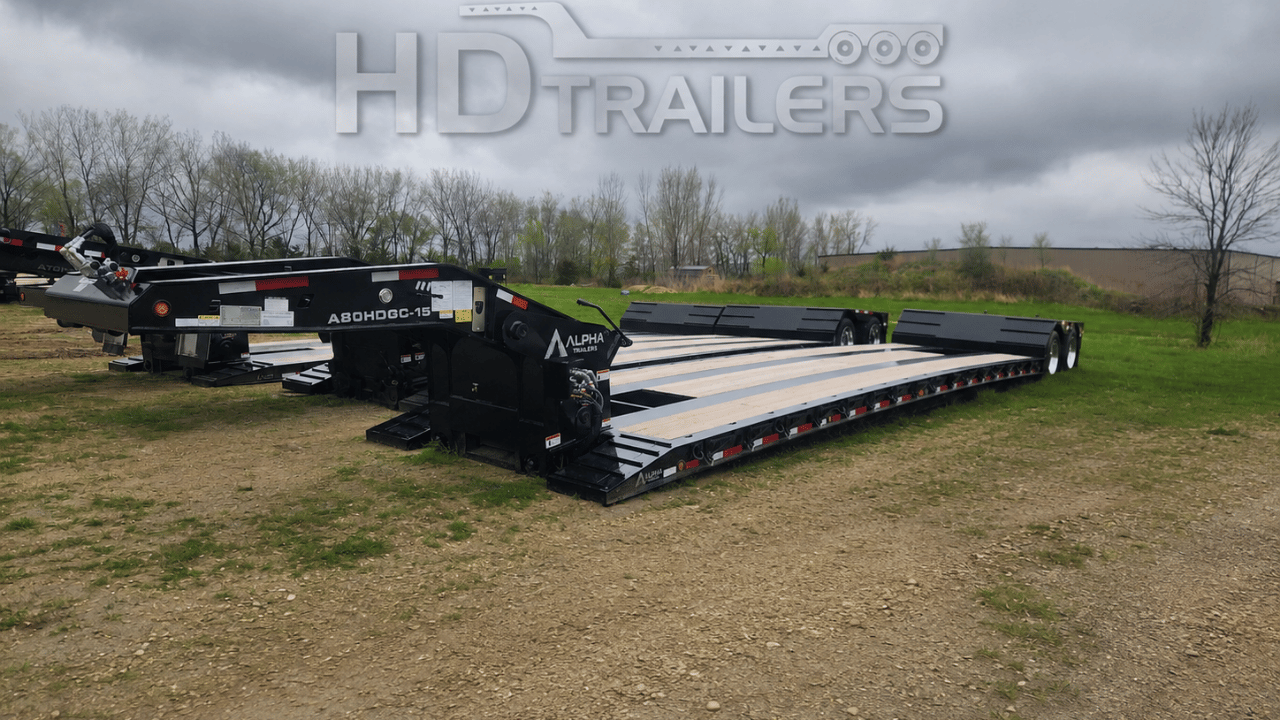
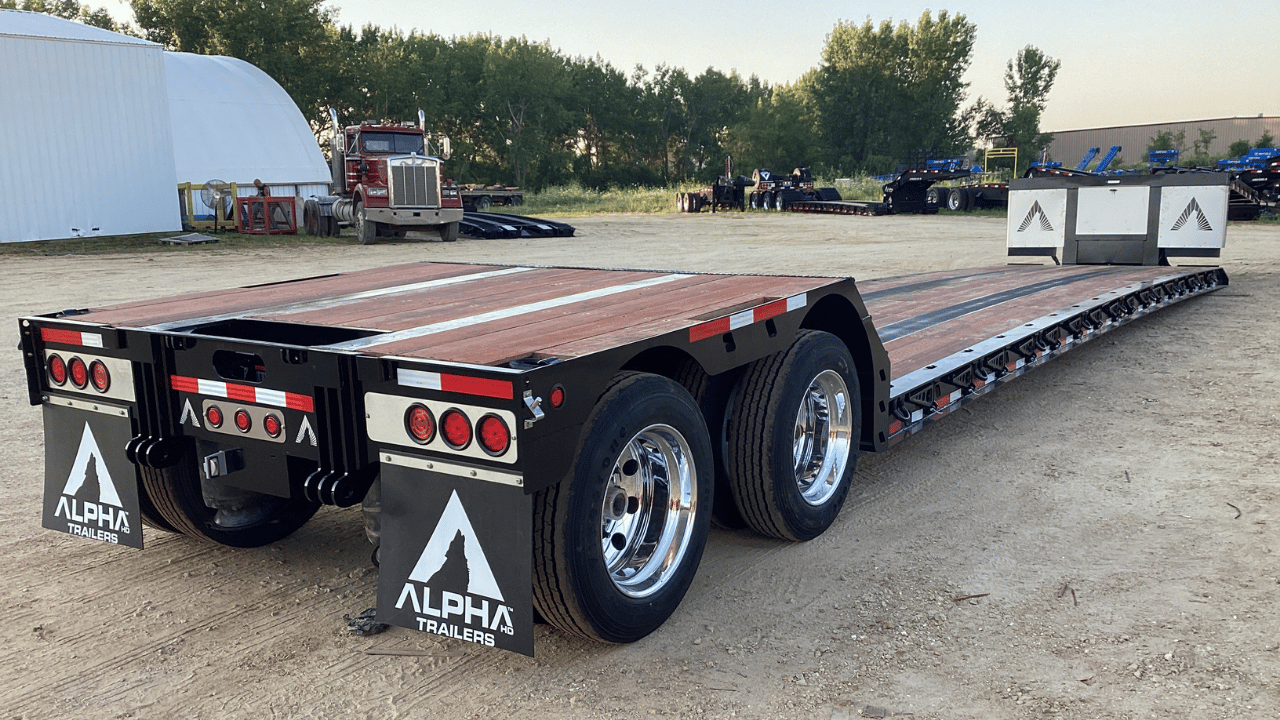
Alpha HD has become a strong option for buyers looking for dependable heavy haul equipment without moving into highly specialized custom builds. Their trailers are commonly considered for construction, agriculture, and general equipment transport where versatility is more important than niche engineering.
For many contractors and owner-operators, Alpha HD offers a balance between capability, configuration options, and value.
When applications become more specialized, Kalyn Siebert frequently enters the conversation.
Companies transporting exceptionally heavy or oversized equipment often look toward Kalyn Siebert because of the brand's engineering capabilities and ability to accommodate complex trailer specifications. While those capabilities aren't necessary for every buyer, they're valuable when standard configurations no longer meet operational requirements.
XL Specialized is frequently chosen when the trailer needs to match a very specific application rather than fit a general-purpose role.
Whether hauling cranes, paving equipment, agricultural machinery, or other oversized loads, buyers often compare XL because of its range of specialized configurations. For operations where trailer specifications directly affect loading efficiency and productivity, that flexibility can be a significant advantage.
Deloupe has built a reputation around engineering trailers that maximize payload efficiency while maintaining durability.
For businesses where every pound matters, reducing trailer weight without sacrificing structural integrity can translate into greater hauling efficiency over thousands of miles. That's one reason Deloupe is often considered by forestry, agriculture, and equipment transportation companies focused on maximizing productivity.
The most meaningful comparisons usually happen between manufacturers serving similar applications rather than across the entire market.
For example:
A contractor hauling construction equipment may compare Alpha HD and Fontaine Specialized, weighing configuration options against fleet familiarity and long-term service considerations.
A transportation company moving oversized or unusually heavy loads may evaluate Kalyn Siebert alongside XL Specialized, focusing on engineering capabilities, customization, and application-specific requirements.
Businesses where payload optimization directly affects profitability may look closely at Deloupe's design approach while comparing available configurations from other manufacturers.
These comparisons are rarely about identifying a universally superior brand. They're about determining which trailer will perform most efficiently for the work at hand.
Two trailers with similar published capacities can perform very differently once they're in service.
Deck height can affect loading angles. Axle spacing influences weight distribution and permitting requirements. Hydraulic systems change loading efficiency, while suspension design can affect ride quality, maintenance schedules, and long-term durability.
Those factors often have a greater impact on day-to-day operations than the manufacturer's name on the side of the trailer.
That's why experienced buyers spend as much time comparing specifications as they do comparing brands.
Manufacturer reputation is an important part of the buying process, but it should be viewed alongside the work the trailer is expected to perform.
The right choice depends on your equipment, routes, operating environment, future fleet plans, and long-term ownership goals, not simply which brand has the strongest name recognition.
At HD Trailers, we help buyers compare manufacturers, trailer configurations, and available inventory based on their specific applications.
Instead of limiting the conversation to a single brand, we focus on helping customers understand the tradeoffs between different options so they can invest in equipment that supports their operation for years to come.
Browse HD Trailer's new and used inventory online, or call 888-380-2509 to talk through your requirements with our team.
HD Trailers goes beyond being a dealer to provide tailored heavy haul trailer solutions, financing options, and expert guidance for your business...
The pros and cons of new vs. used heavy-haul trailers to determine the best investment for your business's growth and operational needs.
Avoid costly mistakes when buying your first trailer. Learn key insights on pricing, critical components, and making informed decisions for your...
How to choose the right heavy haul trailer by understanding trailer specifications such as typical loads, loaded deck height, usage, and more.